Kanto Diyes mixes it up with Halo-Halo Overload
Kanto Diyes is literally mixing it up with the introduction of its Halo-Halo Overload last month to satisfy the dessert cravings of loyal customers.
Owner Dante Suarez Conlu said they had no choice but to come up with the Halo-Halo Overload after insistent demand from patrons who often want something sweet after feasting on their savory delicious chicken inasal, pork, shrimp, and longganiza skewers, kansi, and kadyos, among others.
He said initially they didn’t want to serve desserts and even jokingly told customers that they should just go to other establishments to satisfy their dessert fix.
However, all changed when he thought of offering halo-halo Korea bingsu style, which means serving it in a large bowl.
“What sets Kanto Diyes’ Halo-Halo Overload apart from other halo-halo version on island is how we serve it as instead of a tall glass, we serve it in a bowl—Korean bingsu style,” said Conlu.
He said with halo-halo served in a tall glass, it makes it harder to mix the toppings so Kanto Diyes changed it up a bit by serving their version of halo-halo in a large bowl.
“Serving it in a large bowl allows customers to enjoy their halo-halo by tasting all the toppings since you can easily now mix all the ingredients together, which is what halo-halo is really all about. So, in a way the spirit and essence of halo-halo is best represented by our version of the Philippine’s unofficial national dessert.”
Aside from the sheer serving size of Kanto Diyes’ Halo-Halo Overload, Conlu and company also doesn’t scrimp on the ingredients as their halo-halo comes chockfull with langka or jackfruit, sweet corn, sweetened banana, kaong or sweetened coconut palm, ube jam, macapuno, ice cream, leche flan, nata de coco or coconut cream jelly, almonds, and pinipig or flattened crispy rice (which always stays crunchy)—all topped with shaved ice and evaporated milk.
And the cost? Just $10 with the serving good for 2-3 people, but Conlu admitted a group of four friends once shared a single bowl of Halo-Halo Overload.
He added that unlike other halo-halo versions, their Halo-Halo Overload is not overly sweet as Conlu said they make it a point that the dessert’s sweetness just comes from the ingredients.
According to the internet, the origin of halo-halo is traced to the pre-war Japanese Filipinos and the Japanese kakigōri class of desserts. One of the earliest versions of halo-halo was a dessert known locally as monggo con hielo (derived from the Spanish Filipino dessert maíz con hielo) or mongo-ya, which consisted of only mung beans, boiled and cooked in syrup (minatamis na monggo), served on top of crushed ice with milk and sugar. Over time, more native ingredients were added, resulting in the creation and development of the modern halo-halo.
Aside from the Halo-Halo Overlaod, Kanto Diyes also recently introduced four new flavors of iced tea—fresh calamansi, fresh lemon, pineapple, and mango. So far, the bestsellers have been the fresh calamansi and mango. It costs only $3 with a free second refill.
Conlu said they’ve also started offering $3 shaved ice, smoothies using seasonal fruits like dragon fruit, banana, papaya, and mango for only $7 (powder smoothies can also be had for only $5), and ice coffee for customers looking for their caffeine fix.
Kanto Diyes is open for dine-in and takeout every day from 11am to 9:30pm. It can seat a maximum of 50 customers and is located along Flores Rosa Street corner Alaihai Avenue near the back of Dollar Days in Garapan.
For more information, to reserve, or to order in advance, call (670) 989-2728, (670) 483-2227, or email dconlu30@gmail.com. Kanto Diyes is also on Facebook.
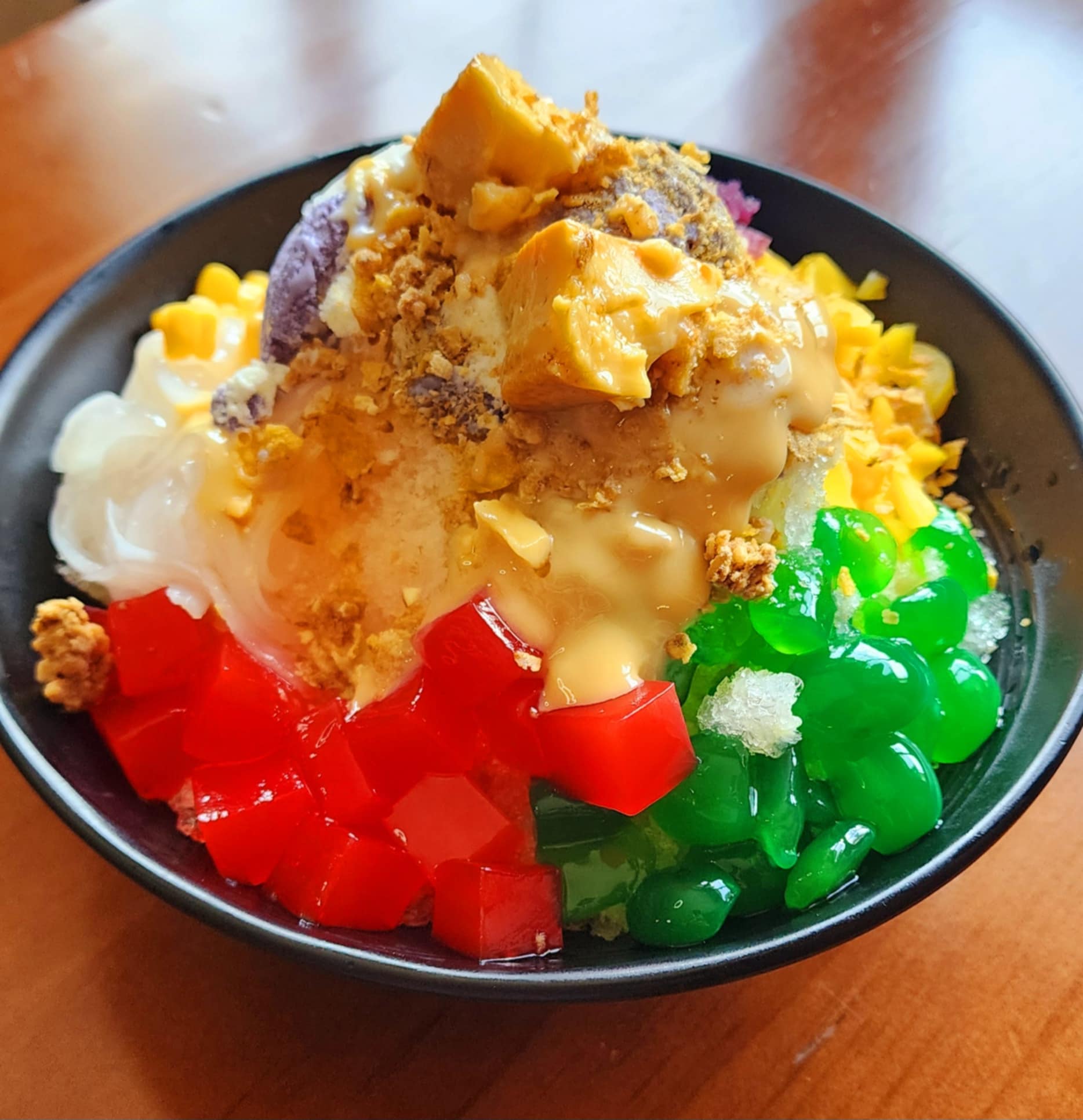
Kanto Diyes’ Halo-Halo Overload.
-MARK RABAGO
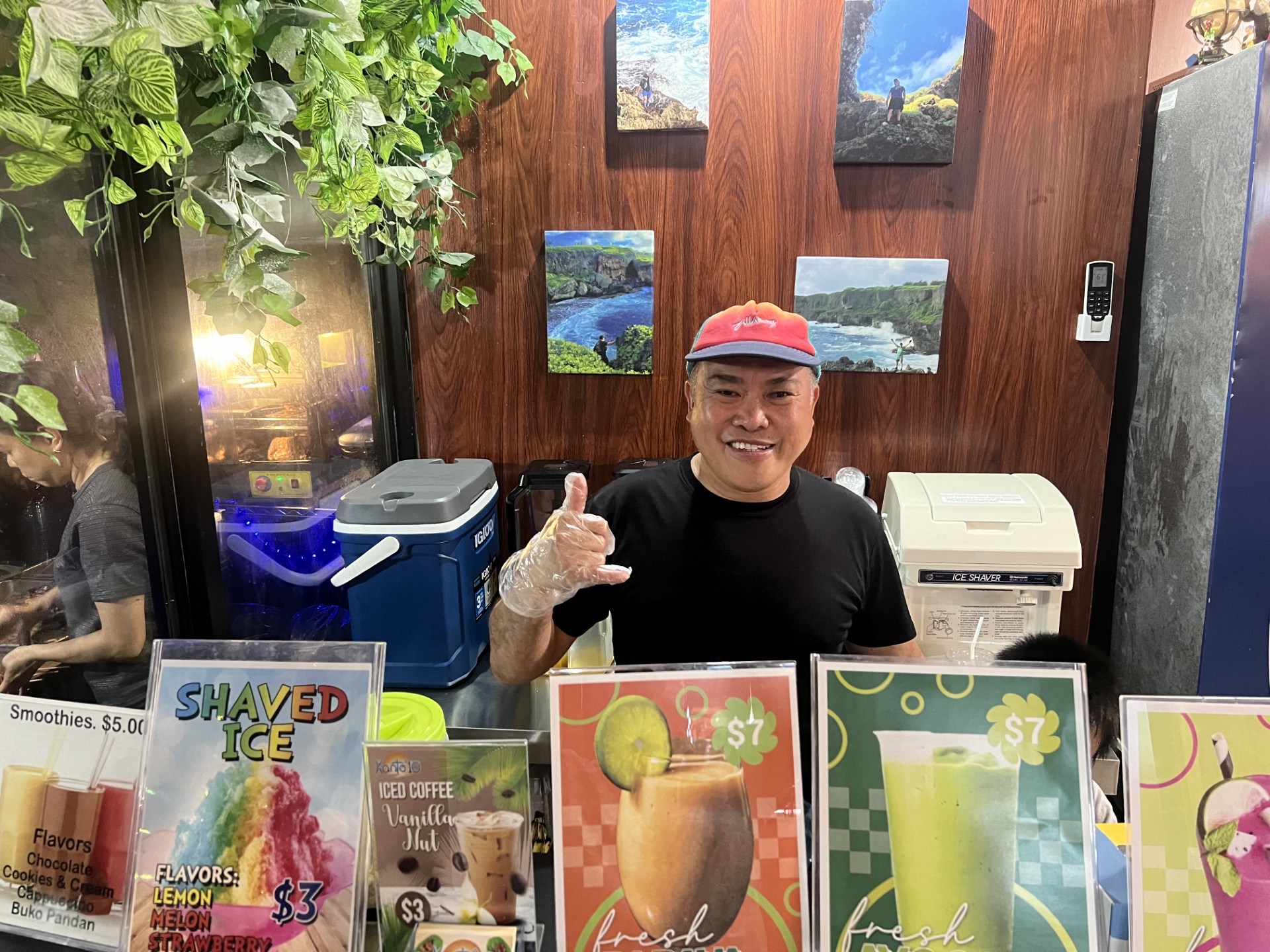
Kanto Diyes owner Dante Suarez Conlu at this “halo-halo, smoothies, and shaved ice” station.
-MARK RABAGO
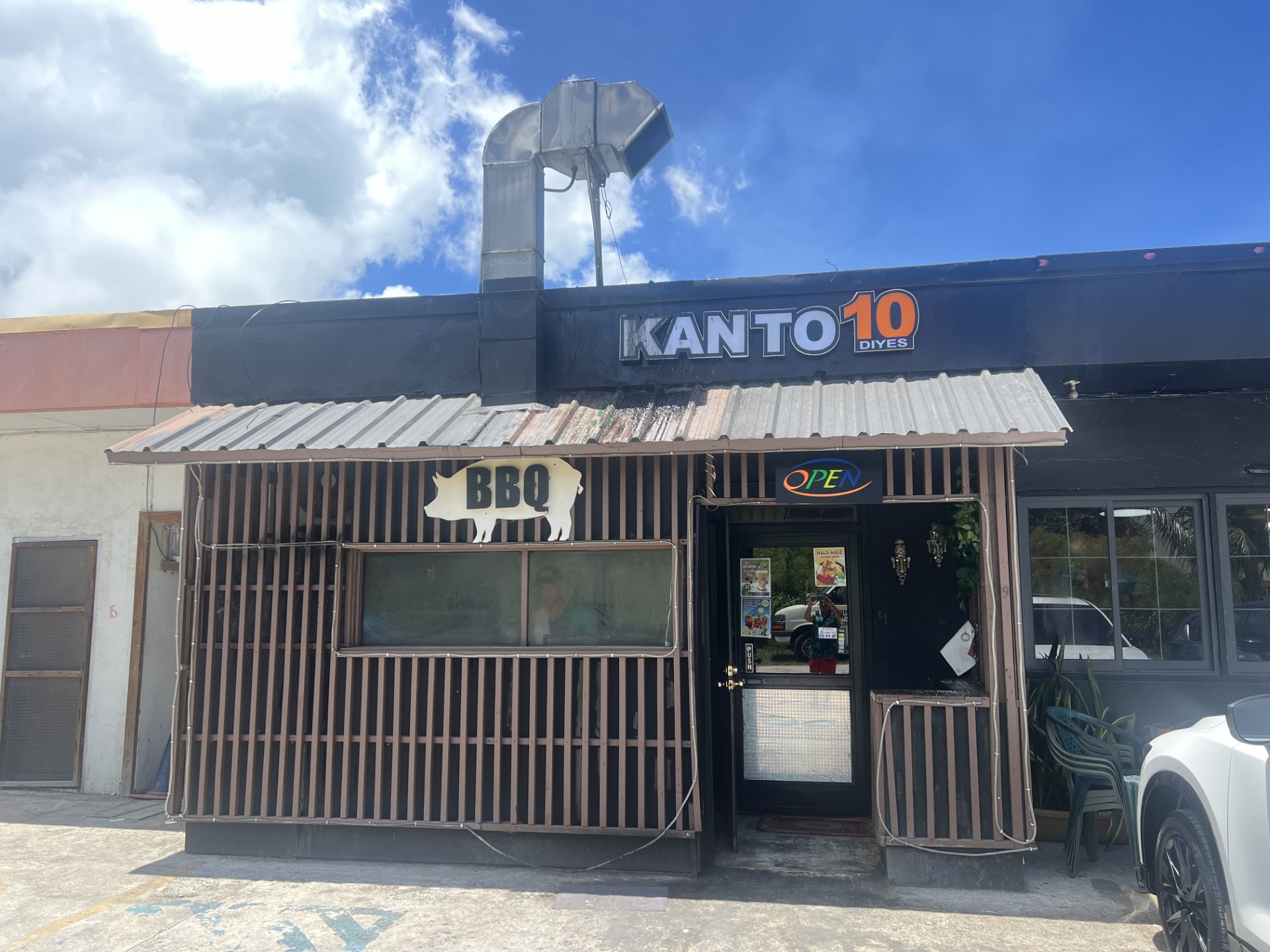
Kanto Diyes is located along Flores Rosa Street corner Alaihai Avenue near the back of Dollar Days in Garapan.
-MARK RABAGO