The cyclical nature of business
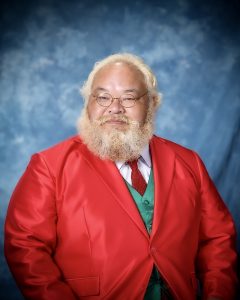
The bakery business has its ups and downs, with busy periods during retail store procurement and slowdowns during slow seasons as explained by Juan “Pan” Guerrero, Herman’s Modern Bakery CEO/president from 1972-2014.
“In the bakery business, you always expect that there’s an uphill and the downhill. When the business buys the retail stores, you know, it means that they’re busy. When you see a slowdown in the procurement of bakery products at the retail store, then, you know, we’re in the slow season. There are also indicators like before we had the garment industry, we used to produce a lot, those days are gone. A good indicator actually is also McDonald’s. If they’re pushing their specials, it’s an indication that the economy is good. Actually, people continue to eat regardless of how slow or how good the economy is. People may watch what they spend, but regardless, they still continue to eat,” explained Guerrero.
Guerrero said Herman’s Modern Bakery prides itself with 80 years in the bakery industry as he emphasized its long-term practices as sustaining the business.
“Basically, even in the bakery business, the more you produce, the more you do the same thing, the better you perform. I always believe that you know when you first put out a product that it’s not going to hit the market running, you need to build a product so that you refine it. When you refine it, people eventually will discover that it’s a good product. So, people will buy the product. It’s not something because you offer it. We make good products because we use good raw materials. We don’t substitute raw materials. When we buy, and we know exactly what we want. Unlike other bakeries. They don’t care. I don’t think that they care, because they buy what’s available in the market.”
Furthermore, he explained the importance of refining products and using high-quality ingredients as he discussed the special flour they created and their key supply chain management by mentioning their efforts to avoid running out of flour by anticipating shipments.
“We buy directly from the mill, we’re not buying from a wholesaler, like there are wholesalers here that carry flour, all right, they just store flour at the back. But what I see, most of them is there’s Korean flour. We buy from two suppliers that produce the same flour mix, one in the U.S., and there’s one in Australia. So, you know, we have time, so we work with our suppliers.”
Meanwhile, Guerrero talked about the diversification of products and marketing strategy as he described the improvements and innovations over the years when he took over as president in 1972.
He said their product offerings expanded from a handful to over a hundred products today as Herman’s Modern Bakery’s capabilities evolved, enabling the production of various baked goods.
“You can tell what the improvements are with what you see on the products. We now offer more than a hundred different products. When I started, probably you can count using just two hands the most that we make. Yeah, you can count. Now you can’t. What you see not even represents 100% of the products that we sell. That only represents what they make for today. Also, when we produce, we alternate. It’s not always the same product every day.”
Guerrero added that production varies due to the islands’ limited market size, adding that small batch production creates challenges in finding consistent buyers and that retail stores play a crucial role in product distribution.
When asked about the performance of their retail distribution, Guerrero said that the distribution of products is essential for operating a large business and explained the need for retail outlets to reach a wider market.
“We need the distribution, otherwise it’s going to be hard to operate a big, unique (business). You need to distribute your products so that people have the opportunity to buy them where they shop.”
Experience also helps in deciding which products to distribute and sell, added Guerrero.
“We decide what to fill in the shelves based on our experience. We know that this store can sell these types of products. If I can sell that particular product in the retail store, then I am OK.”
Guerrero said product expansions involve the increase in the number of employees and at Herman’s Bakery the number of employees has grown significantly since 1972 due to different activities and operations requiring specialized teams.
Each team has specific functions and responsibilities to keep the operation running smoothly.
“Before, I don’t think we had more than 10 people, now we are in the hundreds. Because we have different activities, different operations. We have the kitchen, we have the sales, we have the production, and we have the school lunch program.”
Furthermore, Guerrero discussed the fierceness of the competition in the bakery business to the point that simply opening a bakery and waiting for customers is not enough.
It was 10 years ago when Guerrero retired and his son, Michael, is currently managing the family business.
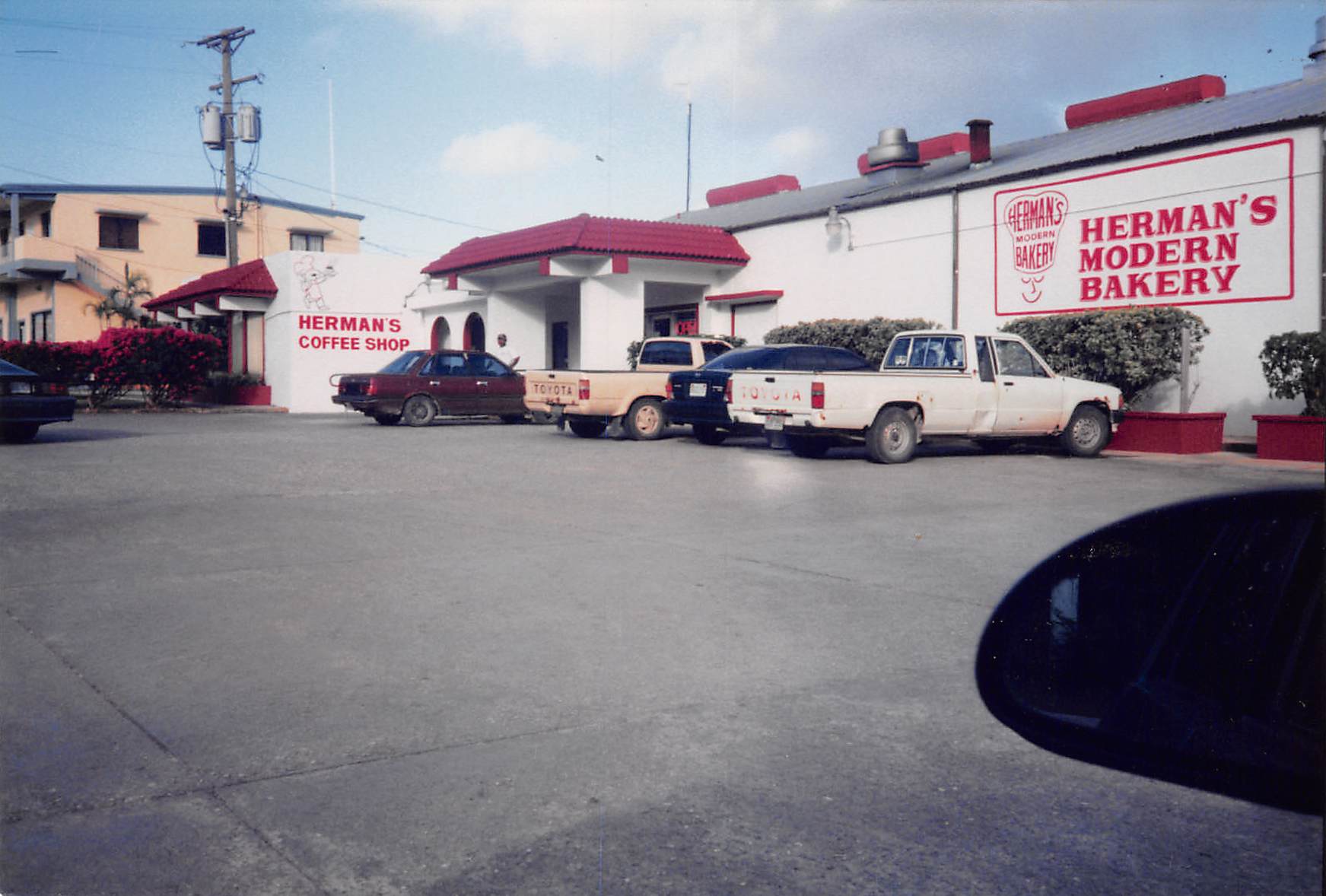
Herman’s Modern Bakery’s Airport Road/Chalan Tun Herman Pan location circa 1990.
-HERMAN’S MODERN BAKERY

Herman’s Modern Bakery founders Herman R. and Maria T. Guerrero in this undated photo.
-HERMAN’S MODERN BAKERY
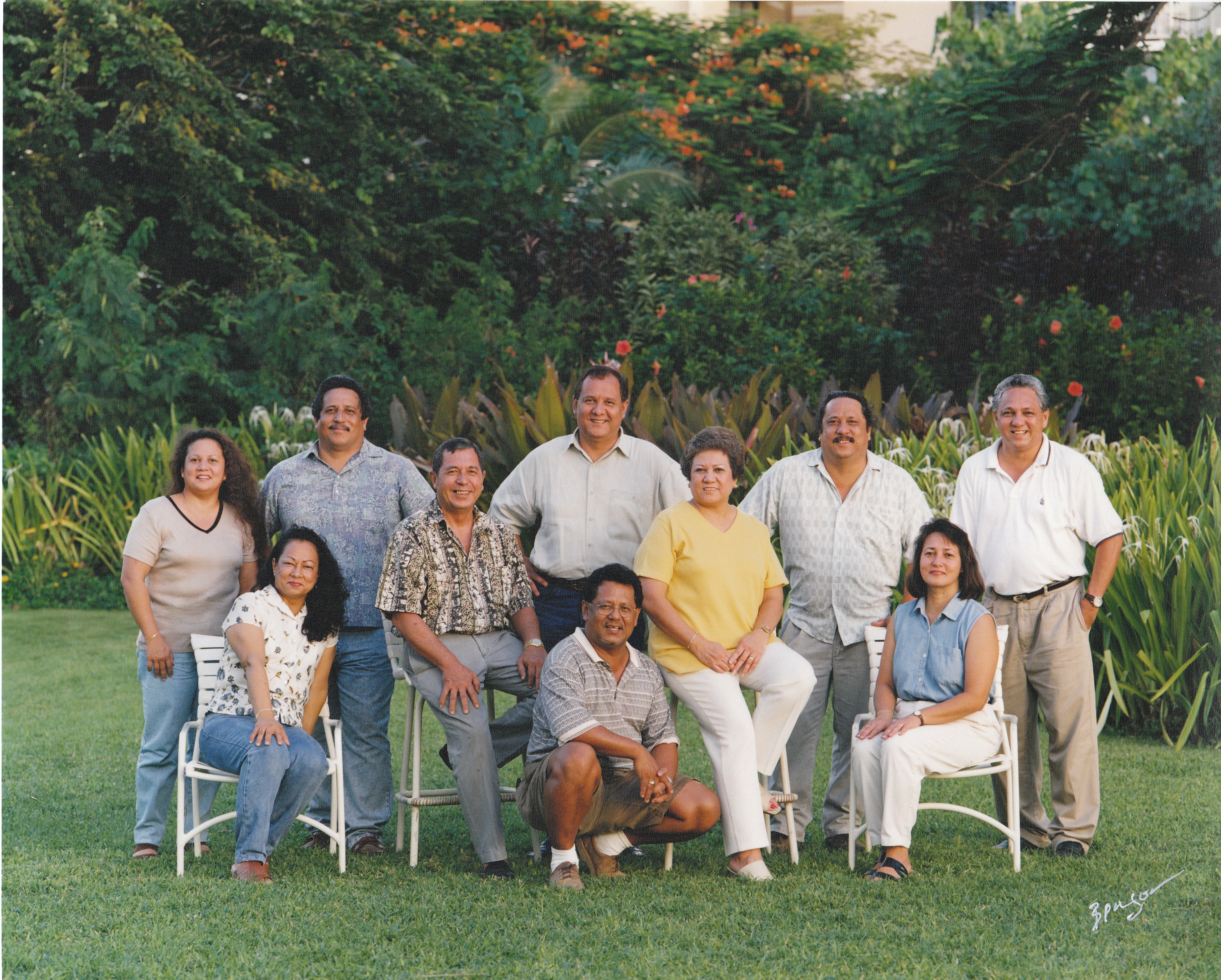
An undated photo of the Guerrero siblings, from left standing, Noreen DLG, Joseph LeePan T. Guerrero, Herman T. Guerrero, Rudolfo T. Guerrero, and Florencio T. Guerrero. From left seated, Margarita G. Sablan, Jesus T. Guerrero, Agnes G. Archibald, and Annie G. Hayes. Kneeling is Juan Pan T. Guerrero.
-HERMAN’S MODERN BAKERY

At the original Herman’s Modern Bakery in Chalan Kanoa with students.
-HERMAN’S MODERN BAKERY
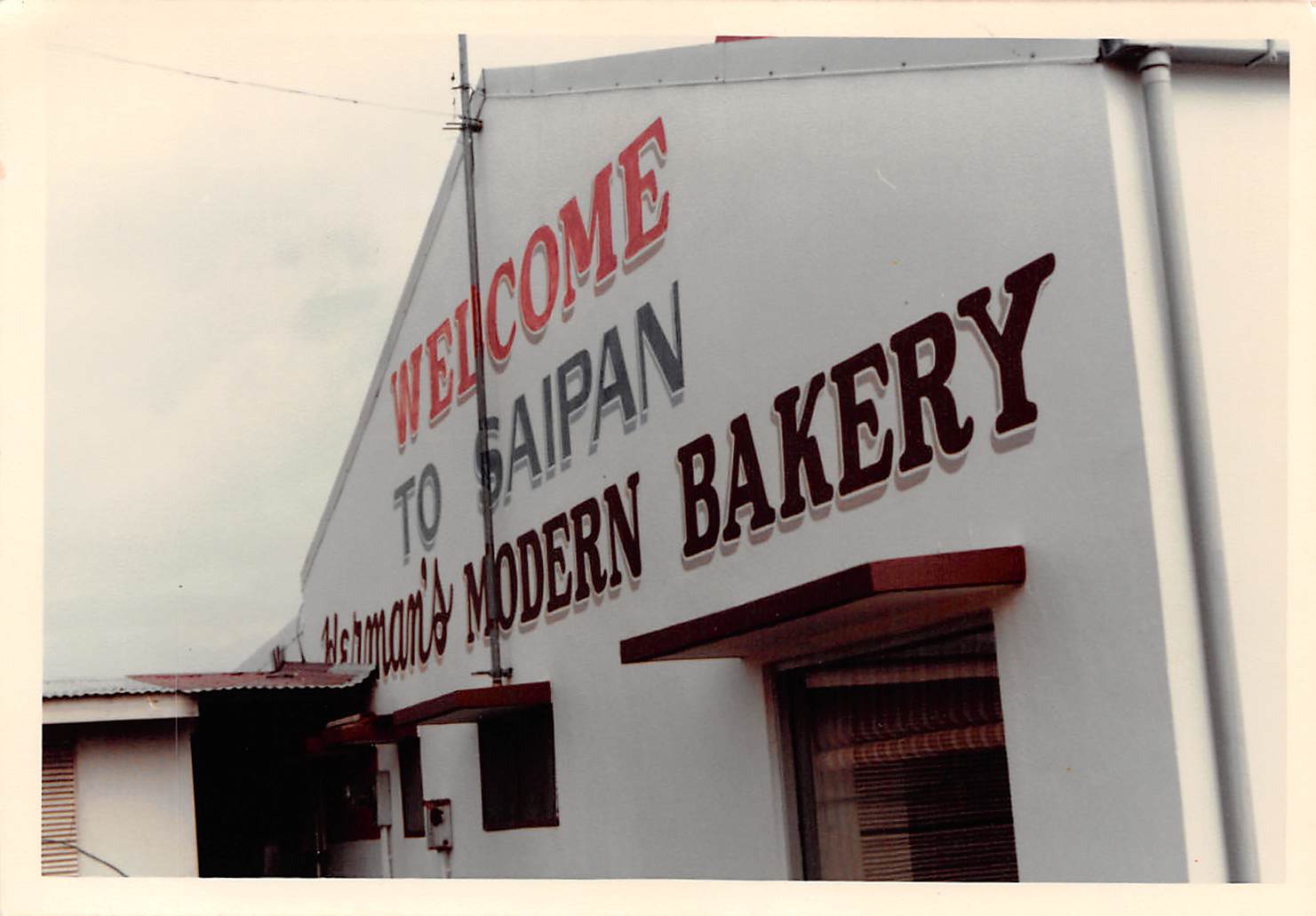
An undated file photo of Herman’s Modern Bakery Airport Road/Chalan Tun Herman Pan branch.
-HERMAN’S MODERN BAKERY