Avian flu threat prompts temporary ban on live poultry, hatching eggs imports to CNMI
In a swift move to safeguard the CNMI from a looming threat of highly pathogenic avian influenza, HPAI or most commonly known as avian flu, the local Division of Animal Health issued a temporary ban on live poultry and hatching egg imports from Hawaii.
In a press release from the division under the Department of Land and Natural Resources, the ban decision follows the detection of the highly contagious avian flu in Hawaii, raising alarms across Pacific island nations as migratory bird season intensifies. The CNMI has also maintained its ban on poultry imports from the U.S. mainland, reinforcing its commitment to protecting local flocks and wildlife.
“If HPAI can reach Hawaii, it can reach here,” said Lauren Cabrera of the DLNR Division of Animal Health. “Our goal is to take every precaution to protect the CNMI’s poultry industry and safeguard our wildlife.”
The press release states that HPAI is known for its devastating effects on domestic poultry, with high mortality rates and severe illness. Classified as a zoonotic disease, the virus can infect humans and other animals, including cattle, under certain conditions. While human transmission is rare, the risks are significant for those in close contact with infected birds or contaminated environments. The detection in Hawaii is an example of how diseases can potentially spread rapidly among fowl especially during periods of increased bird migration.
DLNR urges poultry owners and residents to remain vigilant. Officials are calling for daily health checks for free-range poultry, a common practice in the CNMI, and immediate reporting of any unusual symptoms or unexplained deaths.
Residents are advised to:
• Monitor their flocks closely and report any signs of illness to the Division of Animal Health. Reports can be emailed to cnmianimalhealth@gmail.com or made via phone at (670) 256-3319.
• Notify the Department of Fish and Wildlife of sick or deceased wild birds at (670) 664-6000.
• Symptoms of HPAI in poultry include sudden death, reduced appetite, a drop in egg production, swelling of the head, lack of coordination, coughing, sneezing, and difficulty breathing.
The Division of Animal Health will continue to monitor developments and update the community as necessary. Residents are thanked for their cooperation in this proactive effort to shield the islands from HPAI’s potential impact.
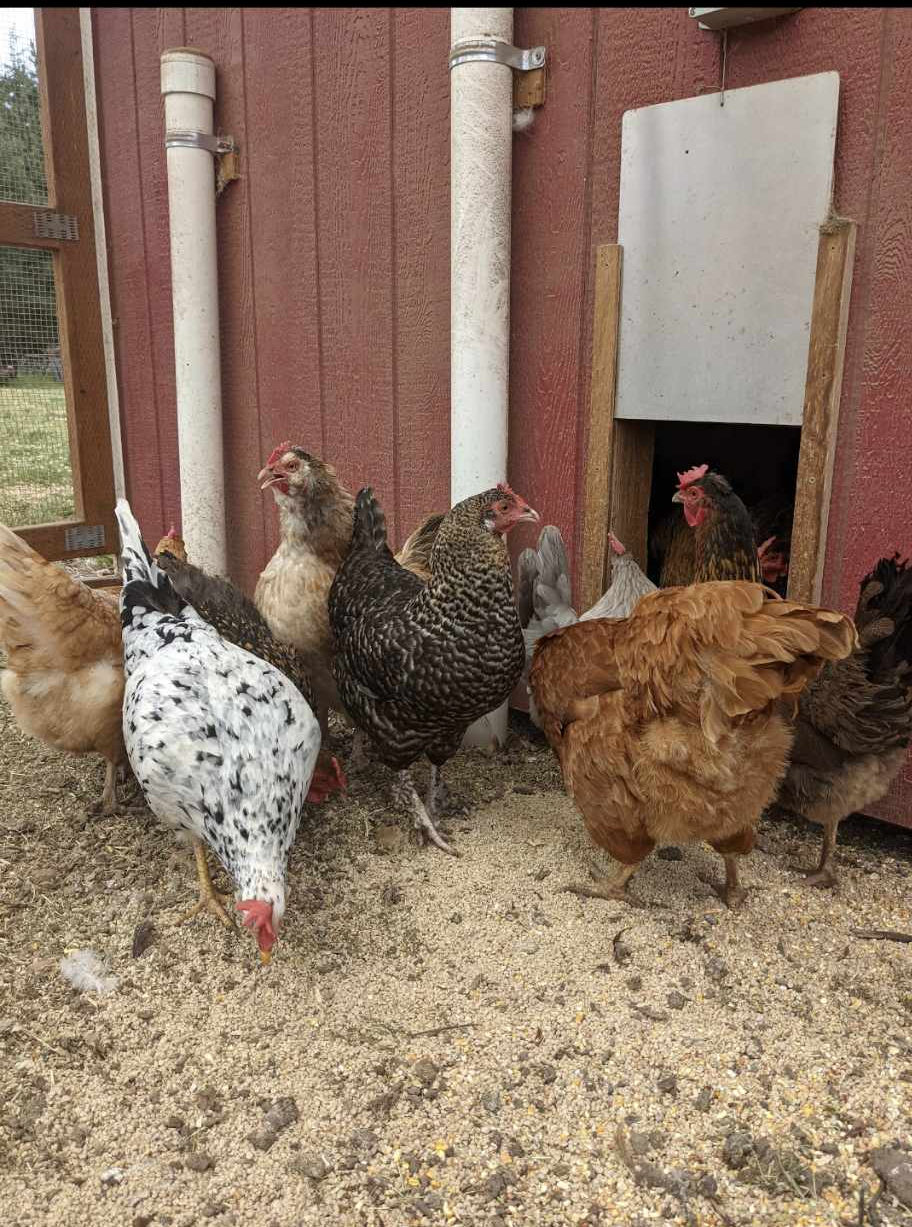
The CNMI Department of Land and Natural Resources Animal Health division is continuing a temporary ban on the importation of live poultry and hatching eggs from the mainland U.S. and foreign countries due to the threat of bird flu.
-CONTRIBUTED PHOTO