Naraja resets hearing on recusal motion
The motions hearing for the Shayne Blanco Villanueva case, originally to be held last Friday at the NMI Superior Court in Susupe with Presiding Judge Roberto Naraja did not take place, and instead the trial was moved to Dec 3, 2024.
The prosecution team shared that Naraja did not hold the motions hearing and instead in an order issued on Friday, Nov. 1, moved the trial to Dec. 3, and ordered briefing on the issue of whether he has to recuse himself to be on Nov. 12, with the arguments on it this Nov. 18. The motions hearings are now on Dec. 2.
The bench trial for Villanueva was originally set for this week before the rescheduling.
The Commonwealth Superior Court is examining whether Judge Roberto C. Naraja should recuse himself from presiding over the case of Villanueva. The potential conflict centers on Naraja’s familial connection to Rep. Ralph Naraja Yumul (Ind-Saipan), who has been called to testify in the matter. Villanueva’s defense team contends that this relationship may compromise the fairness of the proceedings. Naraja is Yumul’s uncle.
The court order, issued on Nov. 1, 2024, by Naraja addresses three specific issues—scheduling a hearing on Villanueva’s motion for recusal, directing the defendant to submit a detailed memorandum supporting the recusal request, and requiring the Commonwealth’s opposition to the motion. Naraja’s order states that “the familial relationship between the undersigned judge and Yumul creates an appearance of, if not a conflict of interests, thereby questioning the court’s impartiality.”
Naraja has consistently argued that disqualification is unwarranted in this matter, emphasizing that Yumul’s relationship is limited to the “third degree” under civil law standards, which is outside the “second degree” threshold that would necessitate automatic recusal under CNMI law. As he noted in the order, “Representative Yumul’s third-degree relationship to the judge does not mandate automatic recusal under 1 CMC § 3308(b)(5)(iv).” Under CNMI’s Code of Judicial Conduct, a judge is required to recuse if their “impartiality might reasonably be questioned.”
Villanueva’s defense initially raised the issue of conflict of interest during the April 2, 2024, arraignment, and reiterated these concerns at the Oct. 22, 2024, pretrial conference. However, despite multiple opportunities, they had not formally submitted a motion for recusal. Naraja highlighted this, noting, “Defendant again failed to follow through with the required formal motion…to provide evidence of bias, or offer legal authority substantiating the necessity for recusal.”
In a procedural move to ensure impartiality, Naraja has decided to appoint another judge to preside over the upcoming hearing. The hearing date will be determined in open court, and the parties are expected to submit their respective arguments. According to Naraja, the defendant now has “the opportunity to present its concerns through a written motion supported by a memorandum of law,” with the Commonwealth filing an opposition.
Villanueva’s legal team, through attorney Keith Chambers, will likely focus on whether Yumul’s testimony, although procedural, could cast doubt on the court’s neutrality. Naraja countered that Yumul’s role in the case is “purely procedural,” and that a reasonable person would not question the judge’s impartiality based on these circumstances.
Villanueva’s case stems from his role in the Building Optimism, Opportunities, and Stability Program program, an initiative under scrutiny for alleged misuse of public funds.
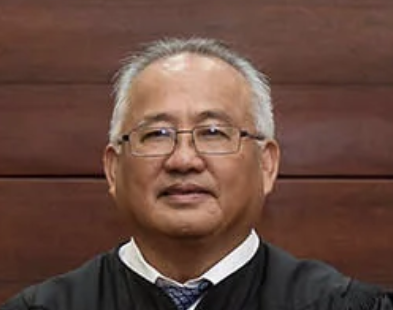
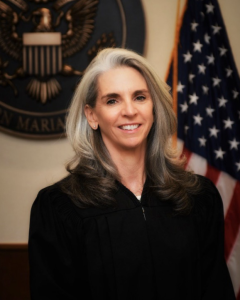
Roberto Naraja