435 total participants served by SAAR since 2017
A total of 435 participants have been served by the Substance Abuse, Addiction and Rehabilitation since August 2017, according to SAAR program manager Charlotte Flores.
“Since we opened our doors in August 2017, we have served a total of 435 participants, including processing referrals, assessments, and outpatient treatment services, so we serve individuals who don’t necessarily reside in the Hinemlo O’hala Para Enteramenti Recovery Center. Ninety-one participants successfully completed their treatment. It’s important to note that our participants typically reside on our compound for a duration of 5-6 months, depending on their individual treatment plans, and we cap at 18 participants every 5-6 months,” said Flores.
Numerous factors can lead individuals to use drugs, according to Flores.
“It may be curiosity, peer pressure, lack of awareness, trauma, cultural influences, family dynamics, socioeconomic status, mental health issues, exposure to drugs, etc. It’s important to recognize that substance use does not discriminate.”
Flores added that though their rehabilitation is receiving more self-referrals than referrals from their stakeholders, in the absence of the current statistics, there has been an increase in substance use.
“I don’t have the current statistics of substance use in the CNMI, however, from attending stakeholders’ meetings, and using our program’s data and comparing it to previous years, there has been an increase in substance use. As long as drugs and other substances are still around and easily accessible, this epidemic will still persist. The latest trend we are seeing is that it is reaching the younger generation, and we are receiving more self-referrals than referrals from our stakeholders, which tells us there is a strong motivation and a growing acceptance of the need for treatment and a reduction in stigma associated with seeking help. In some cases, individuals may find themselves in urgent situations that motivate them to seek help immediately,” added Flores.
Flores explained the difference between HOPE Recovery Center and the Community Outreach Partnership Program. She said the former offers residential treatment where participants get to reside at SAAR for up to 5-6 months depending on their treatment plan and goals.
The Community Outreach Partnership, meanwhile, offers aftercare services, prevention, outpatient services, and re-entry services in partnership with the CNMI Department of Corrections. The Community Outreach Partnership program also assists children and families with case management services, community linkage, and educational guidance and assistance for children and their families.
SAAR is committed to providing culturally and evidence-based treatment and best-practiced strategy services for rehabilitation and recovery to enhance the overall quality of life for individuals who struggle with substance abuse and behavioral difficulties related to addictions.
Re-entry services are in partnership with the CNMI Department of Corrections and prevention efforts to raise awareness of the effects and consequences of substance use in the CNM are among the SAAR programs offered.
Furthermore, Flores said HOPE Recovery Center currently has about 16 participants. They also have a waiting list of potential participants hoping to get into the recovery center for residential treatment.
Flores mentioned that addressing substance use disorder in the CNMI requires a community-wide effort.
“To combat this long-standing epidemic, we can implement several prevention strategies, including ongoing education and awareness efforts. The goal is to raise awareness about the risks and consequences of substance use in the Public School System and private schools, sports programs, and community settings. Provide mental health support for both children and adults, involve parents in prevention efforts through family interventions, and engage youth in community service and mentorship programs. Additionally, we must add focus on educating our children on essential life skills such as problem-solving, decision-making, and stress management, while encouraging positive social connections and support systems.”
Flores also added that they should be committed to helping individuals struggling with substance use through treatment, with the hope that they can break the cycle and raise their children with the knowledge and understanding to avoid drug use.
For more information, the HOPE Recovery Center hotline is (670) 323-4673
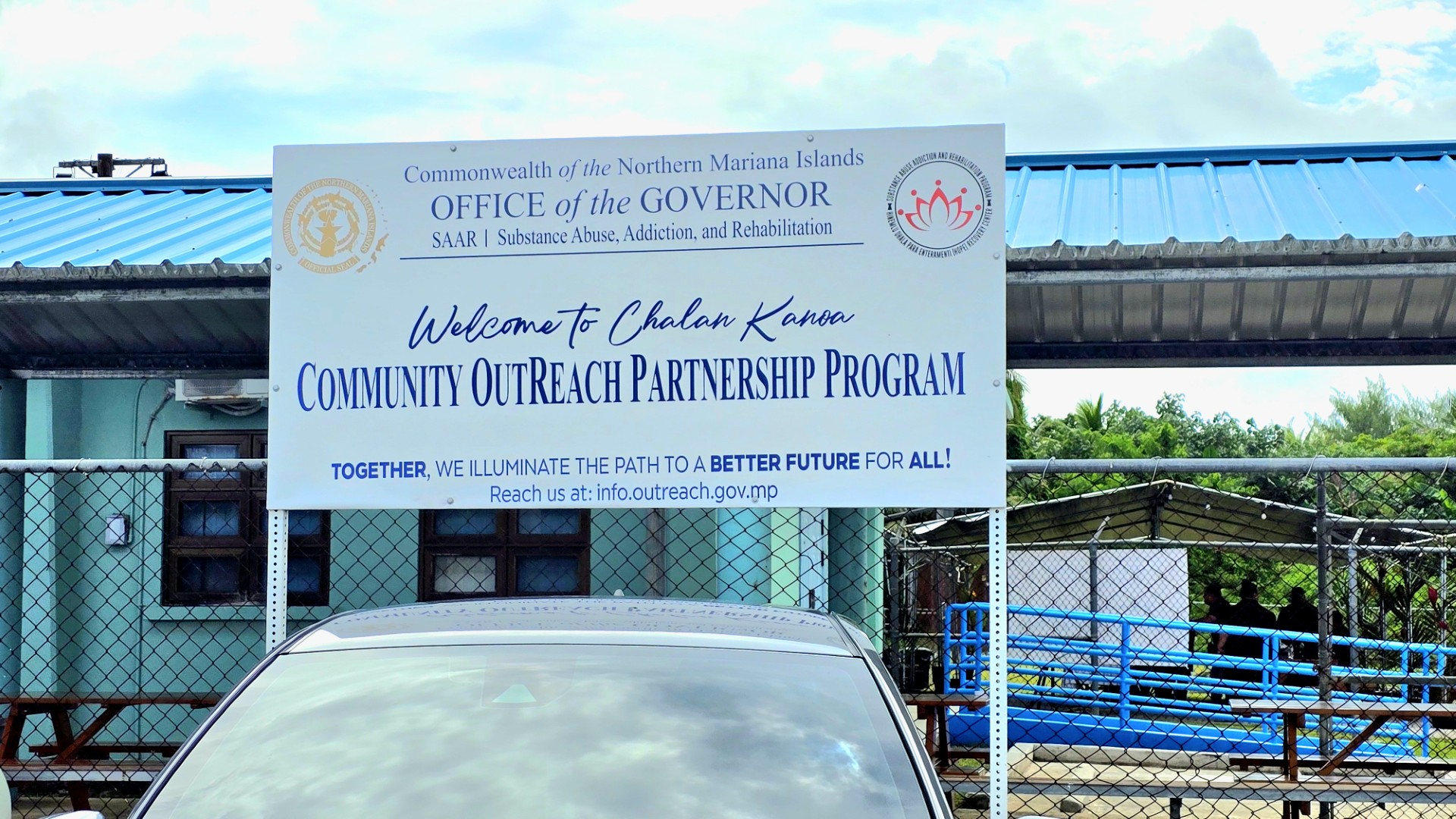
The Community Outreach Partnership Program building in Chalan Kanoa opened last Aug. 19.
-RACQUEL FLOYD
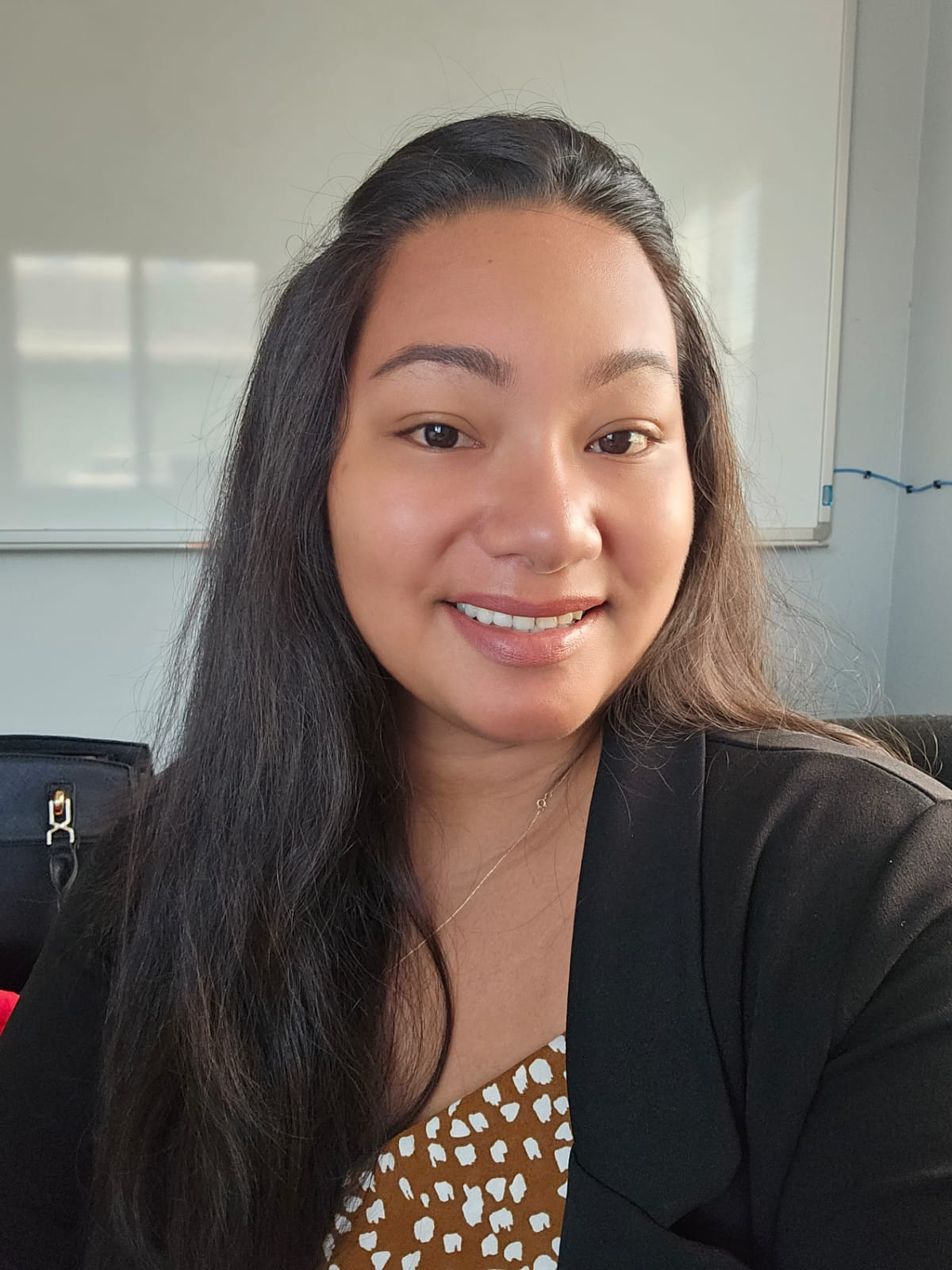
Substance Abuse, Addiction and Rehabilitation program manager Charlotte Flores.
-CONTRIBUTED PHOTO