AG seeks stay on disqualification in Torres’ case
The Office of the Attorney General has filed a motion for a stay on Superior Court judge pro tem Arthur Barcinas’ order disqualifying special prosecutor James Kingman and the OAG from prosecuting former governor Ralph DLG Torres in a pending criminal case while the NMI Supreme Court rules on OAG’s appeal.
Last week, OAG chief solicitor Robert Glass Jr. filed a motion to stay order and case with Tem Barcinas, the same judge who issued the order in question, pending a ruling on the OAG’s appeal with the NMI Supreme Court.
The ruling the OAG wants stayed is the order issued by Barcinas last July 16, disqualifying special prosecutor turned assistant attorney general Kingman and the entire OAG from prosecuting former governor Torres’ pending criminal case.
Aside from his order, the OAG also wants Barcinas to stay further case proceedings until the Supreme Court issues its opinion on the appeal.
“The Commonwealth requests this court to issue a stay of its order disqualifying the special prosecutor and the OAG and to stay further case proceedings until the appeal is resolved by the NMI Supreme Court,” said Glass.
Essentially, Glass argues that Barcinas’ order erogenous as the NMI Supreme Court (in the case of Torres vs. Manibusan) previously found that neither the governor or the Executive Branch has the constitutional authority to prosecute without consent and a grant of authority by the Attorney General.
“As this court has taken such constitutional power away from the Attorney General to designate a prosecutor and has left such up to the ‘Executive Branch,’ the order is in error and should be stayed along with the case pending appeal,” said Glass.
Glass, in his motion, argues that the disqualifications have important implications on the issue of the separation of powers.
The chief solicitor explains that the constitution gives the OAG prosecutorial authority and established the office as an independent agency.
“The constitutional mandate regarding the Attorney General’s duty to prosecute violations of the Commonwealth law raises serious question regarding the separation of powers when the Judicial Branch disqualifies the entire office. The separation of power doctrine is important and upholding it is important to the rule of law. As such, the issue of disqualifying the entire office raises serious questions about the separation of powers and the criminal case and the order should be stayed while the issue is decided by the NMI Supreme Court,” said Glass.
In addition, Glass argues that by deferring prosecution to the Executive Branch welcomes political interference in this case.
“By taking the issue of prosecuting out of the hands of the OAG, the court has invited political interference because the Executive Branch is political in nature. Because the Governor is political in nature, having the Executive Branch choose a prosecutor outside of the constitutional authority of the elected Attorney General raises questions regarding justice in this case and whether justice can be done when politics is given reign over the prosecution,” he said.
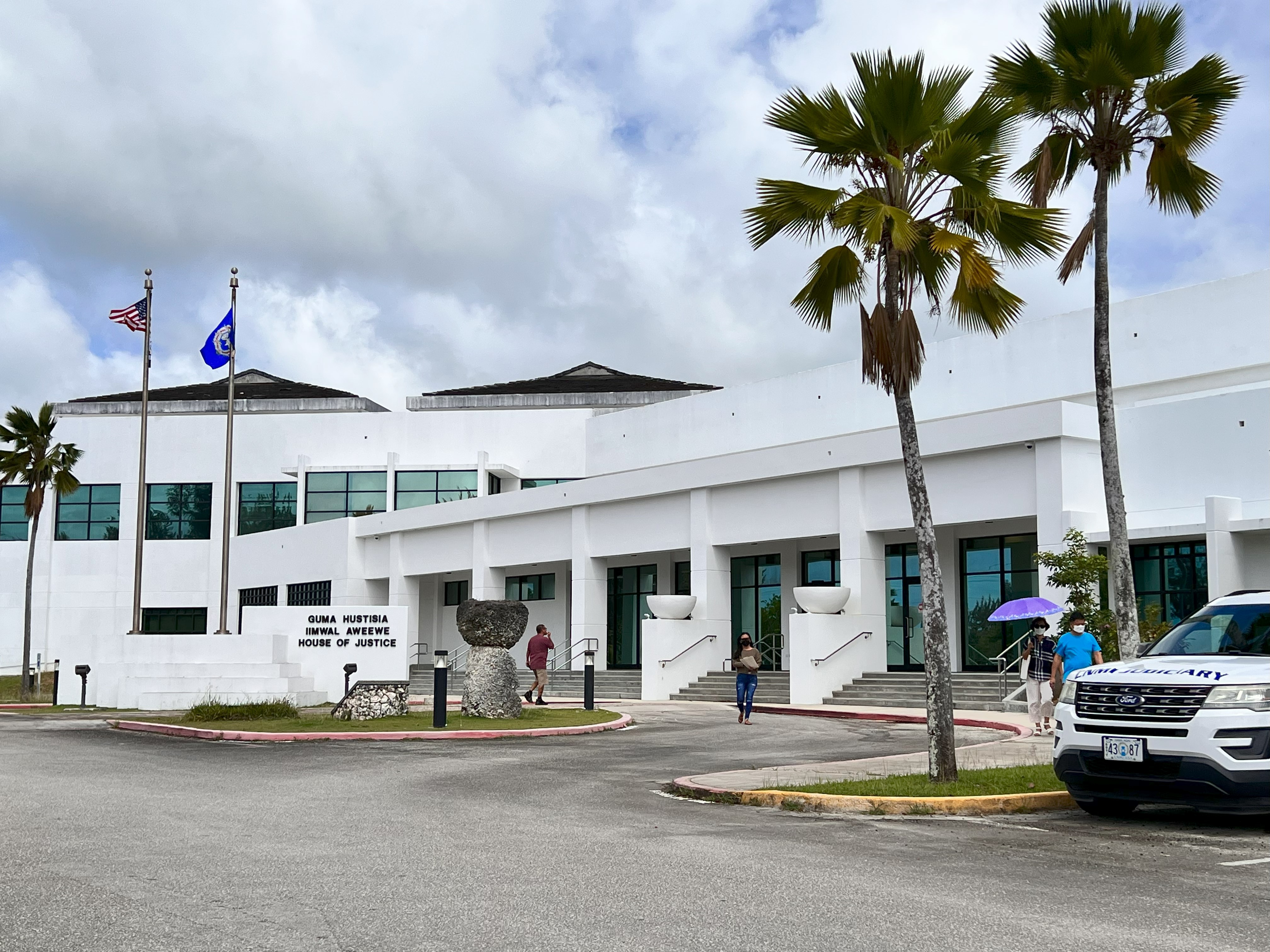
The CNMI Guma Hustisia or CNMI Judiciary in Susupe.
-KIMBERLY B. ESMORES