Barcinas reiterates OAG disqualification
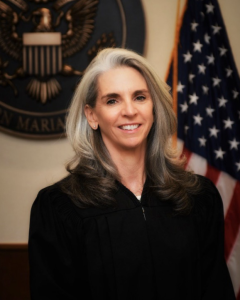
Superior Court judge pro tem Arthur Barcinas reiterated that the Office of the Attorney General effectively disqualified itself in the prosecution of former governor Ralph DLG Torres when it hired a special prosecutor, underscoring a conflict of interest within the office.
“In retrospect, I should have noted this in the earlier order disqualifying the entire OAG and assistant attorney general James Robert Kingman from prosecuting the former governor,” Barcinas said during a Zoom hearing last Monday. “The AG’s office already disqualified itself that’s why we have a special prosecutor because there were no other non-conflict attorneys—that’s why they hired a special prosecutor,” he said.
Barcinas said he will come out with a written order detailing his final decision in the coming days.
The case, No. 22-0050-CR, centers around allegations of misconduct in office against Torres. In July 2024, the court granted a defense motion for reconsideration and ruled that the OAG must withdraw from the case due to said conflict of interest. This ruling also applied to a separate case involving a refiled charge of contempt and misconduct (Case No. 23-0127-CR).
However, Barcinas declined to appoint a new special prosecutor, deferring to the Executive Branch to fulfill its prosecutorial responsibilities. “The court defers to the Executive Branch to execute its prosecutorial authorities in this case,” he said.
In response to the disqualification, OAG, through chief solicitor J. Robert Glass Jr., filed an appeal with the CNMI Supreme Court. The OAG contends that the judge “misapplied the law” by disqualifying the entire office and has requested a stay of the order. Glass argued that the stay is necessary to avoid halting the case’s proceedings until the appeal is resolved by the CNMI Supreme Court.
Glass emphasized the broader constitutional issues at stake. “There is good reason to stay the order and the case until the CNMI Supreme Court issues its decision. This matter directly impacts the separation of powers doctrine, the interpretation of the CNMI Constitution, and the powers and duties of the elected attorney general,” Glass argued.
According to Glass, the constitutional amendment—House Legislative Initiative 17-2—was designed to ensure the attorney general’s independence from the Office of the Governor, particularly in matters involving allegations of corruption. “This amendment was created in response to previous issues of Executive Branch corruption, ensuring the AG could prosecute such corruption without undue influence,” Glass explained.
Representing Torres, attorneys Anthony Aguon and Viola Alepuyo took issue with OAG’s stance. Aguon argued that the OAG’s dual role—representing the governor while also prosecuting cases—created an inherent conflict of interest. “Under the CNMI Constitution, the attorney general has two primary duties—to represent the governor and to prosecute cases,” Aguon said. “The OAG has already drawn a line on where it stands in relation to these two duties, which is where the conflict of interest arises.”
Aguon and his team contend that the disqualification was necessary to ensure that Torres receives a fair trial, free from the appearance of bias.
The case against Torres stems from a December 2021 investigation led by a Democrat-independent coalition in the House Judiciary and Governmental Operations Committee. The committee found Torres in contempt for failing to appear before the panel, which was investigating his public expenditures.
In April 2022, the OAG charged the former governor with 12 counts of misconduct in public office and one count of theft related to the use of public funds for premium-class airline travel. An additional charge of contempt was also filed for his refusal to comply with the legislative subpoena.
Torres has denied all charges, maintaining that his actions were lawful and appropriate.
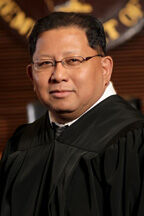
Arthur Barcinas