CCA asks for share of proposed excise tax on imported betel nut
The Commonwealth Cancer Association supports a bill to impose an excise tax on imported betel nut/areca nut and lime mix, but asks the Senate to amend the legislation by allocating 20% of the collected funds for the cancer patient support services of CCA.
In a recent letter to the Senate, CCA executive director Lynnette F. Tenorio said the money will be used to directly benefit cancer patient services on Saipan, Tinian, and Rota and not for CCA’s administrative costs and operations.
Cancer patient services include providing oxygen tanks, beds, Ensure drinks, and wound-care items for oral cancer patients.
Tenorio’s letter was addressed to Senate president Edith E. DeLeon Guerrero (D-Saipan) and Senate Committee on Health, Education, and Welfare chair Donald M. Manglona (Ind-Rota).
Last month, the House of Representatives passed House Bill 23-41 in the form of House Draft 1. The legislation, which is now before the Senate Committee on Health, Education, and Welfare, seeks to impose an excise tax at $5 per pound of betel nut/areca nut, and 10 cents per ounce or a fractional equivalent of lime mix/afok/bweesh.
All funds collected from this proposed law will be deposited into accounts separate from the general fund and that 50% of the funds shall go to the Health Network Program, specifically for oral cancer patients’ stipends; 10% to the CNMI Division of Custom Biosecurity for operations; and the remaining to the general fund.
The CCC claimed to have provided 23,058 vouchers as part of its direct client services program to cancer patients recovering from treatment over the last five years.
For over 20 years, the CCC has provided direct patient care services to CNMI residents through fundraising events such as Marianas March Against Cancer, and direct government funding.
As the bill was originally written, 20% of the funds collected would go to CCA, specifically for patient support services. The amended bill that the House passed removed the CCA and replaced it with the Division of Customs Biosecurity for operations, with a 10% allocation.
With the funds from the excise tax, Tenorio said they can make a difference in the quality of care for citizens as they recover from and continue their fight against all forms of cancer, particularly oral cancer.
She said that, although the House of Representatives Ways and Means Committee did not solicit comments from the CCA about the legislation, their organization has reviewed the House committee report and the comments from CNMI Customs Division director Jose Mafnas.
Tenorio said the adverse public health impact of betel nut chewing in the community is obviously oral cancer as betel nut contains known carcinogens.
She said existing laws serve to regulate betel nut sales in the community, and H. B. 23-41 is a continuation of this effort.
Tenorio said CCA supports the law’s intent to generate revenue for the Health Network Program of the Commonwealth Healthcare Corp. for medical referral and for CNMI Customs. However, paying for off-island medical treatment for oral cancer patients and providing funds for the collection of tax fees for betel nut and lime by CNMI Customs fails to address patient services for those same cancer patients after their surgery and in recovery from chemotherapy and radiation therapy.
Tenorio said allocating 20% of the projected $1.2 million in collections from the excise tax to CCC would serve a substantial number of patients and ensure access to medically prescribed resources vital to their recovery.
She said their request is consistent with public health policy as a non-profit partner with the Commonwealth Healthcare Corp.
In April 2023, Gov. Arnold I. Palacios signed a proclamation regarding oral cancer awareness and its impact on both the healthcare system and citizens.

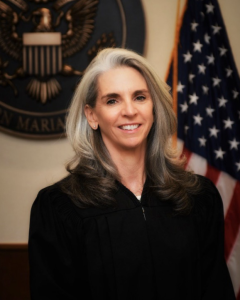
Sen. Donald M. Manglona