Heading in soccer causing more brain than previously thought
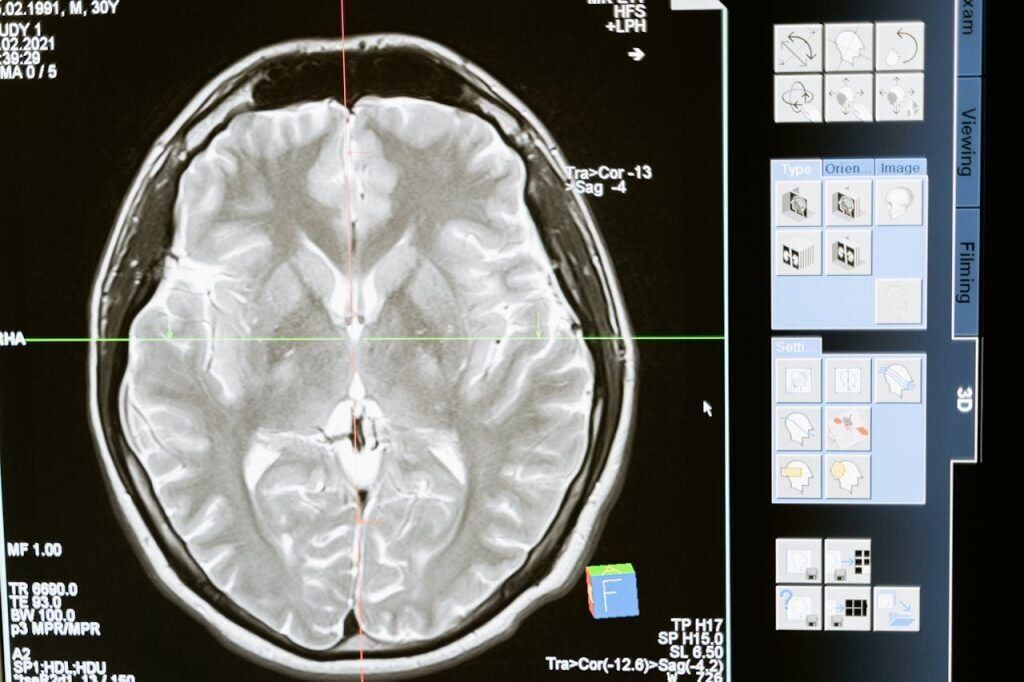
Photo by MART PRODUCTION via Pexels
By Stephen Beech via SWNS
Heading footballs may cause more damage to the brain than previously thought, warns new research.
The American study suggests a link between repeated head impacts and serious neurodegenerative diseases, such as chronic traumatic encephalopathy (CTE).
Study senior author Dr. Michael Lipton said: “The potential effects of repeated head impacts in sport are much more extensive than previously known and affect locations similar to where we’ve seen CTE pathology.
“This raises concern for delayed adverse effects of head impacts.”
While previous studies have identified injuries to the brain’s white matter in footballers, Prof Lipton and his colleagues employed a new approach to an advanced brain imaging technique called diffusion MRI to analyze microstructure close to the surface of the brain.
To identify how repeated head impacts affect the brain, the research team compared brain MRIs of 352 male and female amateur soccer players, ranging in age from 18 to 53, to brain MRIs of 77 non-collision sports athletes, such as runners.
Soccer players who headed the ball at high levels showed “abnormality” of the brain’s white matter adjacent to sulci, which are deep grooves in the brain’s surface.
heading-footbal–1284657-By Talker
Dr. Lipton explained that abnormalities in that region of the brain are known to occur in very severe traumatic brain injuries.
He says the abnormalities were most prominent in the frontal lobe of the brain, an area most susceptible to damage from trauma and frequently impacted during heading the ball.
More repetitive head impacts were also associated with poorer verbal learning.
Dr. Lipton, of Columbia University Irving Medical Center in New York, said: “Our analysis showed that the white matter abnormalities represent a mechanism by which heading leads to worse cognitive performance.”
Most of the study participants had never sustained a concussion or been diagnosed with a traumatic brain injury.
That suggests that repeated head impacts that don’t result in serious injury may still adversely affect the brain, according to the researchers.
Dr. Lipton said: “The study identifies structural brain abnormalities from repeated head impacts among healthy athletes.
“The abnormalities occur in the locations most characteristic of CTE, are associated with worse ability to learn a cognitive task and could affect function in the future.”

Photo by Daniel Quiroz via Pexels
The research team says the results of the study are also relevant to head injuries in other contact sports.
They stressed the importance of knowing the risks of repeated head impacts and their potential to harm brain health over time.
Dr. Lipton said: “Characterizing the potential risks of repetitive head impacts can facilitate safer sports engagement to maximize benefits while minimizing potential harms.”
He added: “The next phase of the study is ongoing and examines the brain mechanisms underlying the MRI effects and potential protective factors.”
The latest findings, due to be presented at the annual meeting of the Radiological Society of North America (RSNA) in Chicago next week, add to growing concern about the health effects of headers first raised following the death, aged just 59, of former England and West Bromwich Albion striker Jeff Astle in 2002.
The cause of his death was a degenerative brain disease that had first become apparent around five years earlier.
A coroner found that the repeated minor trauma of heading the ball had been the cause of Astle’s death, as the leather footballs used in his playing days were considerably heavier than the plastic ones used later, especially when wet.
In 2015, his family launched the Jeff Astle Foundation, raising awareness of brain injury in all forms of sport, as well as offering support to those affected.
The charity has grown in size with high profile patrons including former England football internationals Alan Shearer and Gary Neville.
This infrared WISE image displays the Monoceros R2 molecular cloud, where stars are born. The very brightest region seen here is also known in visible light as NGC 2170. A dead space telescope has left behind jaw-dropping unreleased cosmic images. NASA’s NEOWISE telescope ended its journey through space on 1 November when it re-entered and burned up in Earth’s atmosphere. Now the team at IPAC, a science center at Caltech research university in Pasadena, California, say they have released six new images from the mission’s archival data as a tribute to this landmark project. Described as “one further gift from the prolific mission”, the final data release from NEOWISE was released to the astronomy community on 14 November, encompassing over 26 million images and nearly 200 billion sources detected by the telescope.
-By Talker