‘Immediate action may be needed for strays that present public danger’
As the CNMI attempts to control and ultimately eradicate the feral dog population, there may be a need to take immediate action on stray animals that present a danger to the public and are injured and suffering, and are near death or cannot be cured, or are abandoned, said Attorney General Edward Manibusan.
He noted that several states allow for “emergency” euthanasia for law enforcement officers, animal control agents, or veterinarians to take immediate action under emergency conditions.
He said House Bill 23-34 emphasizes the importance of providing a humane option to euthanize animals in the Commonwealth.
“There are no apparent legal issues with this bill. However, some policy implications should be considered,” said Manibusan in his written comments on House Bill 23-34.
He said the bill brings uniformity to laws surrounding the disposition of animals.
Authored by Rep. Edwin K. Propst (D-Saipan), House Bill 23-34 seeks to establish and authorize the use of what’s called “legend” drugs and controlled substances for euthanasia by animal control agencies and humane societies.
The House of Representatives adopted last week the Health and Welfare Committee report that recommends the bill’s passage. All House members present at the session subsequently passed the legislation. The bill is now with the Senate for action.
Manibusan said the legislation proposes the use of federally approved legend drugs (prescription medications) or controlled substances, by trained individuals, as a method to euthanize animals in the Commonwealth.
The bill extends euthanasia by legend drugs or controlled substances to all animals; current local laws only focus on the disposal of dogs.
The bill authorizes the mayor to qualify institutions, such as a humane society or animal control agency, to conduct euthanasia in the Commonwealth.
As for the bill’s policy implications, Manibusan pointed out that a quick review of animal euthanasia laws across the U.S. show that many states require licensed veterinarians to administer the controlled substances or drugs used for euthanasia. He said the current bill does not require veterinarians to administer or supervise the administration of such drugs. Instead, he said, the bill allows for any individual who completed legend drug or euthanasia training under a licensed veterinarian to do so.
While the bill provides the Commonwealth with access to euthanasia without a licensed veterinarian, Manibusan said there may be a need for heightened oversight and annual training or certification for individuals with access to such drugs who are not veterinarians.
Secondly, he said, there may be difficulty with obtaining federal permits as required by the bill, when there are comprehensive requirements for the purchase, storage, and administration of such drugs that generally require the involvement of a veterinarian.
After the passage of the bill and during the miscellaneous portion of the session, Propst said there have been primitive methods used in putting down dogs and that it needs to end.
“We need to depend on reliable, up-to-date medication and drugs for euthanizing sick animals that need to be put down and put it in safe and good hands,” Propst said.
He thanked his colleagues for supporting the legislation and also those who are pushing for it such as the Saipan Humane Society, Boonie Babies, Saipan Care for Animals, and all the other animal advocates.
“I think it’s sad when I hear people just say, ‘Who cares about dogs? Who cares about cats?’ We should care. We should care about our animals,” he said.
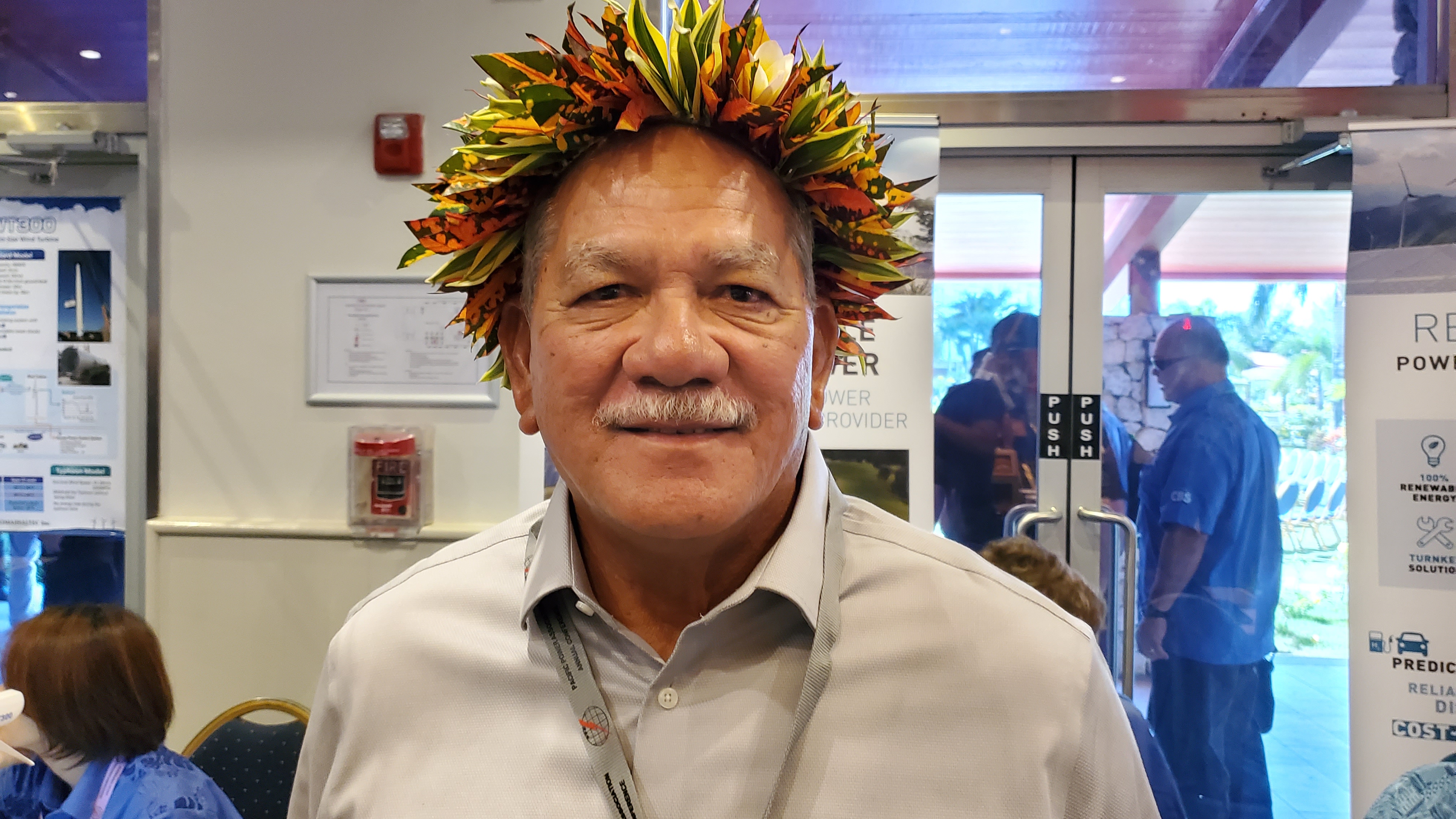
Edward Manibusan