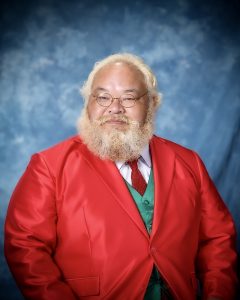
The power of music: How one man’s vision united a Pacific island community
In the heart of the Western Pacific, on the small island of Saipan, a remarkable story of cultural preservation and community building has emerged. Tony Mareham, born in 1948, is not just a musician but a visionary who used the universal language of music to combat social issues and unite diverse cultures.
Mareham, who grew up in Chalan Kanoa before moving to Oleai, recognized a growing problem among the island’s youth in the early 1970s. Concerned about the increasing prevalence of underage drinking, he decided to take action. His solution? Form a band.
“The Carolinians,” as the group came to be known, wasn’t just any band. With Mareham as the lead guitarist, it became a beacon of hope and purpose for young people across Saipan. “We usually played for families, community functions, and religious events,” Mareham recalls. But the impact of their music extended far beyond mere entertainment.
For over two years, The Carolinians served as a cultural melting pot, bringing together Chamorro and Carolinian traditions through music. The band became a vehicle for cultural exchange and preservation, with members singing in both Chamorro and Carolinian languages. This fusion of cultures was revolutionary for its time, fostering unity in a diverse island community.
The band’s influence spread rapidly. Young people, drawn to the allure of music, began learning instruments like the ukulele, embracing what Mareham calls the “island style.” The group’s popularity even led to performances on neighboring islands Tinian and Rota, necessitating travel by both Pan Am flights and boats.
But perhaps the most touching aspect of Mareham’s story is how music shaped his personal life. It was at a local fiesta, during one of the band’s performances, that he met the woman who would become his wife. “The music of the fiesta brought us together,” Mareham reminisces with a smile.
Today, as Saipan faces rapid modernization, Mareham’s story serves as a poignant reminder of the power of cultural initiatives in shaping communities. His vision of using music to guide youth away from harmful behaviors and towards a sense of purpose and cultural pride remains as relevant as ever.
The legacy of The Carolinians extends far beyond their two-year run. They exemplify how grassroots efforts can have lasting impacts on communities, preserving traditions while fostering unity. As we look to address modern social issues, perhaps we can take a page from Mareham’s songbook, using the arts as a tool for positive change and cultural preservation.

Tony Mareham formed The Carolinians in the early 1970s.
-DEL BENSON