Villagomez: CNMI is lucky, but opioid problem will eventually get here
The CNMI is lucky, but it is not special and the nationwide opioid problem will eventually get here, according to Joseph Kevin Villagomez, who is the administrator of the Addiction Services Unit at the Community Guidance Center of the Commonwealth Healthcare Corp.
Appearing before the House of Representatives Health and Welfare Committee meeting on Monday that tackled two bills on opioids, Villagomez noted that one of the key differences between methamphetamine or “ice” and opioids and a drug like fentanyl is that people can die immediately from opioids.
“Drug dealers are getting smarter and smarter. You’ve heard about the lava lamps with liquid methamphetamine,” he said.
This was in reference to a case in September when the Division of Customs and Biosecurity intercepted eight lava lamps filled with liquid methamphetamine that were smuggled into the CNMI.
Villagomez later expressed strong support for House Bills 23-23 and 23-25, which are both authored by Rep. Malcolm Jason Omar (Ind-Saipan).
H.B. 23-23 seeks to establish a CNMI Drug Overdose Policy; to authorize and mandate first responders to possess opioid overdose reversal medication; to authorize standing orders for opioid overdose reversal medication; and to provide limited immunity for dispensing opioid overdose medication.
H.B. 23-25 proposes to amend provisions of the CNMI Good Samaritan Act to protect and encourage opioid overdose reversal administration by granting limited immunity from civil liability.
Villagomez said people are aware that the No. 1 drug problem in the Commonwealth right now other than alcohol is methamphetamine.
“And we see the destruction that that is causing the community, from family breakup, burglaries and thefts, [to] all the other violent criminal events that come with it,” he said.
H.R. 23-23, he said, will allow front-liners to administer an opioid reverse medication like Narcan.
He said this can be administered by front-liners like firefighters, police officers, and anybody in the emergency frontline.
Villagomez said the beauty of this bill is that it allows those at CHCC to train front-liners on how to administer the medication should the need arise.
He echoed what Dr. Lily Muldoon, CHCC medical director of Public Health, had stated before the committee, that if the medication is given to somebody that was not having an opioid crisis, it is not going to do any harm.
Villagomez noted that there is already an outpatient pharmacy and inpatient pharmacy with supply of Narcans here.
“We need to educate them and train them on what the signs and symptoms to look for,” he said, referring to first responders.
He underscored the need for these two legislations so that those who are able to administer Narcan shouldn’t be worried whether they’re going to get sued if some adverse events happen.
Villagomez said the Good Samaritan Law, which already has been in place in most places, is one way of assisting the community to be comfortable enough to administer any lifesaving mechanism to help people that are in trouble.
Since 2020, there have been a total of 123 encounters of confirmed and suspected opioid misuse and a total of six overdoses involving opioids in the CNMI, according Eleanor Cabrera, who is the director of development at the executive office of CHCC, during the committee meeting.
Muldoon also stated in that meeting that the CNMI is expected to see an increase in opiate overdoses, just as it has been happening in the U.S. mainland and in Guam.

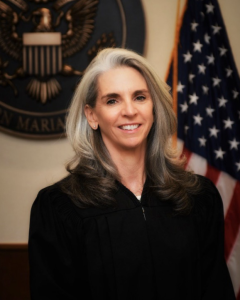
Joseph Kevin Villagomez